
Knowledge games have become a staple across Canada, a weekly ritual where friends and neighbours assemble to try their intellect. There’s usually that odd pause, however, after answer sheets are turned in and before the next phase starts. Lately, a new trend has emerged in those intervals. Folks are pulling out their devices for a fast round of the Aviator game. This isn’t a replacement for trivia. It’s akin to a accompaniment that maintains the crowd buzzing. Let’s explore how blending Aviator into your trivia night can keep the vibe casual, offer a different kind of thrilling moment, and function as a ideal digital timeout. We’ll observe how it works among people, why its simple format works so nicely, and what’s boosting its appeal from pubs in Vancouver to social centers in Toronto.
Group Interactions and Collective Excitement
Introducing Aviator between rounds changes the social chemistry of the night. Trivia celebrates the person who recalls the capital of Bhutan or the year a song charted. Aviator levels the field. It’s all luck, so everyone has the same shot. The contrast is stimulating. The table will all groan if someone cashes out too early, or cheer a risky play that pays off. It gives the group a fresh story, something to joke about for the next hour. Moving between thoughtful collaboration and this kind of impulsive, shared gamble can strengthen the group and stop the energy from ever really dipping.
Top Benefits of Incorporating Aviator to Your Night
- Flow Control:
- Universal Appeal:
- Social Spark:
- Vibe Preservation:
Establishing the Mood: Responsible Play in a Social Setting
Introducing a betting game into a gathering needs a light touch. The aim is fun, not money. Treat Aviator as nothing more than a playful interlude. It functions optimally when the group establishes some basic guidelines beforehand. Settle on a fun-only stake for the whole night. Perhaps everyone contributes a loonie to make a tiny prize pool, or you engage purely for status. The essence is the shared «what if» moment, not the funds. Staying pressure-free makes sure the game adds to the event without ever diminishing the central appeal of questions and friendship.
Beyond the Pub: Quiz and Aviator at Home
This mix isn’t solely for bars. Home trivia nights are an ideal place to experience it. The host can prepare personalized questions and then switch to an Aviator round on a laptop connected to the TV. A house setting permits for inventive silly stakes. Maybe the loser has to handle the dishes or the winner picks the next movie. The relaxed vibe prompts experimentation turning the whole evening into a tailor-made hybrid of brainpower and chance.
Designing a Thematic Night Centered on the Theme
For planners who love a undertaking, you can build a full theme night around this notion. Imagine a «Cloud Nine» trivia night. All subjects relate to flying, explorers, geography, or weather. Now, the Aviator game in the break seems like a fitting part of the narrative. You can embellish with paper airplanes, label teams after airlines, and serve themed treats. This type of preparation turns a relaxed meet-up into a real gathering. Aviator quits being merely a time-filler. It turns into a deliberate segment in the event’s rhythm, rendering the entire experience seem special and meticulously put together.
Common Questions
Can you legally play Aviator between trivia rounds in Canada?
Using the free demo mode of Aviator is legal everywhere in Canada. There is no real money at stake. For real-money play, you need a platform licensed by a provincial body such as the AGCO in Ontario or Loto-Québec, and you must meet the legal age requirement. For a friendly trivia night, the free mode is the way to go. It preserves the tone you want.
Won’t Aviator distract from or overshadow the trivia itself?
As long as it’s limited to scheduled breaks, it won’t. Create a clear guideline: Aviator occurs solely after answers are submitted and before the following round. Limit each session to a brief duration. Framed this way, it acts like a sorbet between courses. It clears the mental palate and refocuses the group’s energy for the next set of questions.
How can a team play using a single device?
Choose one person to operate the phone. Before the plane takes off, Game Aviator, the team quickly agrees on a target multiplier. The operator follows the group’s will. You could also rotate the cash-out button responsibility each round. This creates a fun personal challenge, especially when someone bails out prematurely.
What are some good, responsible stakes for a social setting?
Skip money to keep things simple and fun. The loser could be responsible for bringing snacks next time. The winner may pick the initial category for the next trivia session. You could play for a silly trophy or just the glory of having your name on a chalkboard. The stake should be playful, not serious.
Is this suitable for virtual trivia events?
It can work very well online. The host shares their screen showing the Aviator game during the break. Attendees can decide when to cash out through chat or a brief poll. It keeps that shared visual experience alive and makes sure everyone at their remote desk stays part of the action, not just waiting for trivia to resume.
Are there alternatives to Aviator for trivia night breaks?
Plenty. You could run a lightning round of trivia on a completely random topic. A fast round of a card game such as «Spoons» is effective. Similarly, a group drawing game on a mobile device is suitable. The best alternatives are fast, easy for newcomers, and create a moment of collective laughter or tension, just like Aviator does.
Mixing Genres: Cognitive vs. Spur-of-the-Moment Engagement
The back-and-forth between trivia and Aviator operates with two separate kinds of focus. Trivia is a slow game. It builds on memory discussion and logic over minutes. Aviator is a flash. All the tension and release happens in under a minute. This shift is revitalizing for the mind. It enables the analytical part of your brain to take a breather while the more instinctual part takes over. Rotating the type of engagement like this can prevent mental tiredness. The group might even stay sharper for the next trivia round because they haven’t been working the same mental gears all night.
Tech at the Table: Real-World Application
Making this work is straightforward with the phones already in our pockets. Often, one person volunteers their device. They place it in the middle of the table so the whole team can watch the multiplier curve climb. The group can shout when to cash out, or let the phone’s owner make the call. The most important step is using a legitimate site that offers a free demo mode. This enables play without any real money changing hands. The technology should be a tool for fun, not a distraction that pulls people into their own private screens.
How Aviator Works Perfectly in the Pause
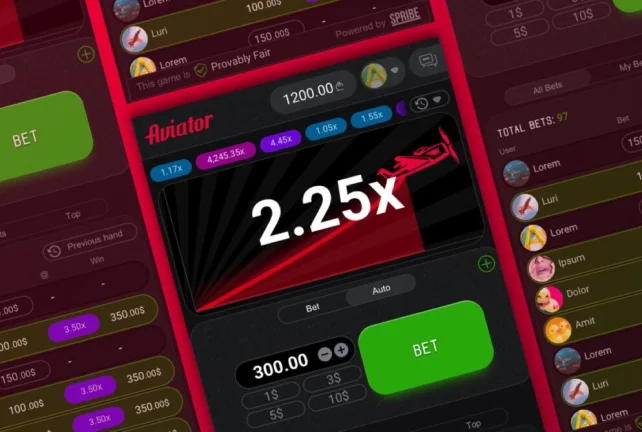
Aviator’s basic appeal is a climbing multiplier that can end at any second. This makes it a natural choice for a trivia break. A single round takes moments, so a whole table can get a few goes in during a two-minute pause. It’s a game that knows its place and won’t hold up the show. The rules are dead easy: place a bet, watch the plane climb, and cash out before it flies away. Anyone gets it immediately. The real appeal is the group excitement. Everyone stares at the same monitor, holding their attention as the number rises, then erupts when someone clicks away. It’s a unified burst of energy that mirrors the team atmosphere of the trivia itself.
The Structure of a Current Canadian Trivia Night
Today’s trivia nights are complex productions. Hosts create detailed themes, run audio and video rounds, and use apps for live scoring. The event is a bonding experience for regulars, as much about catching up as showing off obscure knowledge. A typical night proceeds in several rounds, with short breaks sandwiched between for scoring, grabbing another drink, and chatting. These intermissions are the downside in the flow, the moment where energy can fade. That’s where a little extra entertainment can make a difference. The trick is to keep everyone involved and smiling, moving seamlessly from brainy puzzles to something more natural and shared.


