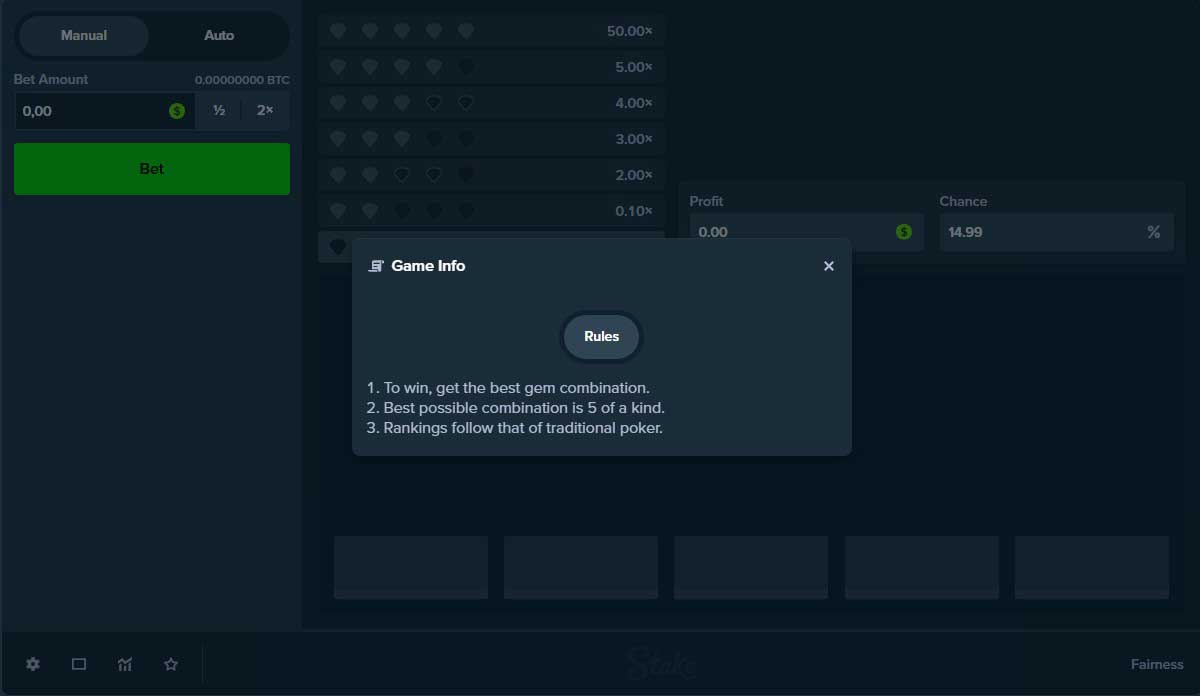
I assess online casinos, and I sought to look into something most players disregard: the rules about taking screenshots. Users frequently snap pictures of big wins or funny game moments, but who actually reviews the small print? I established a test account with Stake Casino, which operates under a Curacao license, to pick apart its official rules and how it enforces them around screenshots. My objective was to verify how clear these policies are for a regular user, especially someone from the UK where Stake operates in a legal gray zone. This is a review of documents and live chat tests, not an endorsement to play.
How Screenshot Policies Truly Matter
Policies about recording your screen could sound trivial. But they tell you a lot about how a casino functions. Screenshots are your strongest proof if a win disappears, you hit a jackpot, or a game malfunctions. What the casino allows dictates your power to confirm your own history. A vague or strict policy undermines your position, transforming disputes into arguments without evidence. For UK users on an internationally licensed site like Stake, this murkiness is a larger problem. Local authorities like the UKGC probably can’t help you, so you’re leaning entirely on the casino’s own rules being fair.
A Player’s Requirement for Documentation
This isn’t just about bragging. A screenshot is a timestamp, concrete proof of what was on your screen at that second. If a game fails in a bonus round or your balance doesn’t reflect, that picture is your primary defense. Without it, you’re asking the casino to check its own private logs. A open policy that freely lets you collect evidence for disputes is a good sign. It means the platform has faith in its own games and systems enough to be held answerable to a player’s own records.
The Casino’s Viewpoint on Security
Casinos have legitimate fears. They want to stop fraud, like people altering images to fake wins and defraud support. They might also want to safeguard game artwork and their interface design. The real test is how they juggle these security needs with a player’s right to hold records. A fair policy separates bad-faith manipulation from genuine documentation. The language in the Terms and Conditions shows you how much a casino trusts its users and its own technology.
Possible Dangers for UK Players
The true risk isn’t being suspended for snapping a picture. It’s encountering uneven application and possessing a weak hand if a problem occurs. Picture you utilize a screenshot to claim a game paid you less. Stake will examine its internal logs. If their logs fail to align with your image, your evidence carries minimal official weight because the rules never clearly allowed you to create it. Your case then relies on their goodwill.
The ambiguity also includes sharing screenshots on social media or review sites. Terms often include broad rules against «hurting the brand’s standing.» A negative post with a screenshot could be viewed differently under a vague policy than under a specific one. For a UK resident accessing an offshore site, your options for outside help are restricted. That makes having crystal-clear rules from the operator itself even more important.
Finding Stake’s Official Rules on Screenshots
My inquiry commenced where it should: in the official rules. I went through Stake’s Terms and Conditions, Bonus Terms, and Game Rules. It was a familiar drill with online casinos, a maze of legal text. I used my browser to look for «screenshot,» «recording,» «evidence,» and «image.» I didn’t find much. The references weren’t in one place. Some casinos have a straightforward «Fair Play» page for this. Stake hides the relevant bits inside broader sections, so a casual player would not spot them.
This disorganized approach is the first transparency deficiency. Someone with a problem isn’t going to read thousands of words of legalese. The clearest mention I found wasn’t about general use, but about cheating promotions with faked images. For everyday play, the rules are just suggested through clauses about not «interfering» with the service. Not having a clear upfront statement is a real gap. It obliges players to decode lawyer language instead of giving them simple guidelines.
Evaluating to UK-Licensed Operator Standards
Stake does not hold a UK Gambling Commission license, but comparing the two is helpful for UK players. A UKGC-licensed casino must follow strict rules on fairness and transparency. Every term receives regulatory scrutiny. From my time on such sites, their rules on keeping evidence are much clearer. They commonly explicitly say you possess the right to record your game sessions and transactions. The regulator demands that any limit on this must be reasonable and justified.

The difference is clear. Stake’s indirect, buried policy offers no similar regulatory backbone. A Curacao license does not demand this level of clarity. This is hardly to say Stake bans screenshots; my test shows they don’t. It implies the formal transparency and focus on user rights, which a UK player might take for granted, isn’t necessarily guaranteed here. The policy functions in a space of discretion, not firm rules.
My Personal Test with Customer Support
Text is one thing, real people are another. I jumped into Stake’s 24/7 live chat. I raised a simple, hypothetical question: «Am I allowed to take screenshots of my game wins or my balance for my own records?» The agent responded promptly and was friendly, saying it’s generally fine for personal use. But when I requested specifics, like if it’s ever prohibited or if sharing shots online goes against the rules, the answers became vague. I was told to check the Terms of Service for «detailed information.»
Judging the Support Response Quality
That chat showed a common industry habit. Front-line support agents aren’t experts on every minor policy. Their general «yes» for personal use feels good, but their quick retreat to the TOS when pressed highlights the limits of their training. For a UK user, this uncertainty matters. It means something as simple as posting a win screenshot to a forum could, in theory, get you in trouble under a loosely defined rule. Without a clear answer from support, you’re left wondering and assuming the risk.
My test confirmed the day-to-day reality is more relaxed than the strict terms might imply. But relying on unspoken permission instead of written consent is a transparency flaw. If a dispute arose, the casino could reference some vague clause about «platform integrity» to reject your screenshot evidence. That power imbalance remains because the policy isn’t clearly defined from the start.
Suggestions for Stake and Analogous Platforms
Stake could fix this transparency issue simply https://stakekasino.eu.com/. It ought to include a specialized «Fair Play» or «Player Protection» section. This page would detail what users can report, how to use that evidence with customer service, and any actual boundaries, like blocking automated recording tools that could defraud. This change would be free and create a lot of credibility. It sets clear guidelines for all parties, cutting down on future disputes and preserving support time.
Support representatives also require a thorough internal handbook on this matter, so they can offer reliable, confident replies. For services with users in regions like the UK that appreciate consumer entitlements, this transparency is a advantage. It demonstrates consideration for the player’s ability to handle their own interaction and demonstrates the platform works openly, which can set it apart from the rivals.
Ultimate Verdict on Clarity
My analysis shows Stake Casino’s screenshot policy is flexible but formally vague. In truth, you likely won’t have difficulty taking a picture for your own records. But the truth you won’t find a explicit, affirmative right to do so in their written terms is a transparency shortcoming. It creates a underlying imbalance where the rules are subject to interpretation, not concrete. For a UK player accustomed to regulated environments, this is a clear weak spot.
Stake operates fine for many people who never consider these policies. True transparency is about safeguarding the few who face problems. On that point, Stake’s approach is acceptable, not excellent. The policy lives in the shadows of the Terms, leaning on informal nods from support instead of clear, player-first clarity. As the market expands, the best platforms will illuminate these gray areas. Right now, Stake has work to do.